
Cable Fly Exercise: The Ultimate Guide to Building a Strong, Defined Chest
The cable fly is one of the most effective exercises for building chest definition, symmetry, and inner-chest separation. Unlike dumbbells, cables provide constant tension throughout the entire movement, maximizing muscle activation from stretch to contraction. This helps sculpt the chest, improve shape, and target stubborn areas that pressing movements often miss. Cable flyes can be performed from high, mid, or low pulley positions, allowing you to emphasize the upper, middle, or lower chest. The smooth, controlled motion increases the mind–muscle connection and enhances the squeezing effect at the end of each rep. Whether your goal is hypertrophy, toning, or shaping the perfect chest line, the cable fly is a must-have exercise in any chest workout routine.
CHEST WORKOUTS
12/2/20256 min read
What Is a Cable Fly?
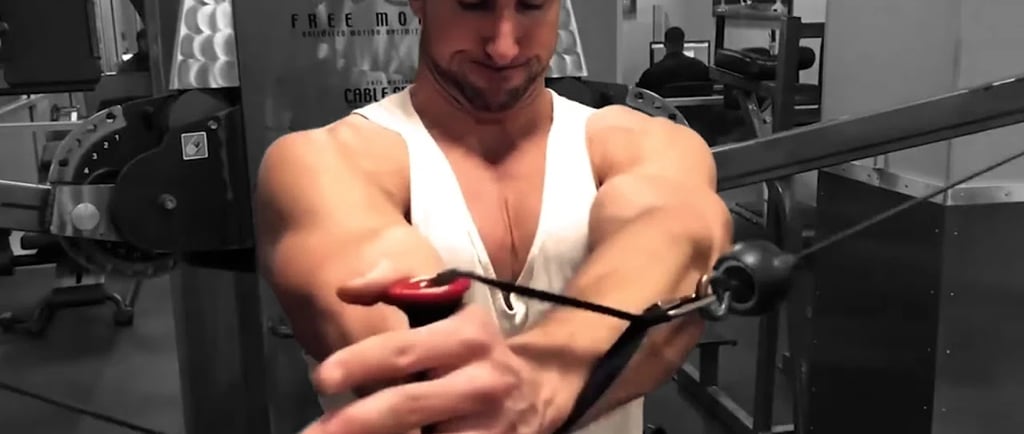
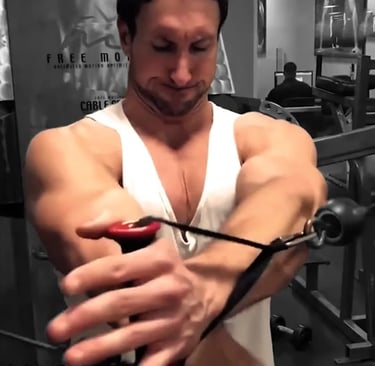
The cable fly is an isolation chest exercise performed on a cable machine. Unlike a bench press, which involves multiple muscle groups, the cable fly specifically targets the pectoralis major, helping to define, shape, and strengthen the chest.
The exercise is performed by pulling the cables together in a hugging motion, making it ideal for enhancing the inner chest and adding symmetry to your physique.
Why Cable Fly Is Better Than Dumbbell Fly
While dumbbell fly is a popular alternative, cable fly offers several unique advantages:
1. Constant Tension
Cables apply tension throughout the entire range of motion—top to bottom—allowing for greater muscle activation.
2. Adjustable Angles
You can adjust pulley positions to hit the upper, middle, or lower chest more precisely.
3. Low Injury Risk
Compared to dumbbells, the controlled path reduces stress on the shoulder joints.
4. Better Isolation
Cable machines limit momentum, forcing the chest to do most of the work.
Because of these reasons, cable fly is a go-to movement for bodybuilders, athletes, and fitness enthusiasts aiming for chest definition.
Muscles Worked During Cable Fly
Cable fly mainly targets:
Pectoralis major (upper, middle, lower)
Anterior deltoids (front shoulders)
Serratus anterior
Stabilizer muscles around the core
The exercise focuses heavily on chest contraction, giving you that deep stretch and squeeze that builds definition.
How to Perform the Cable Fly With Perfect Form
Step-by-Step Technique
Set the pulleys to shoulder height or slightly above.
Grab the handles with a firm grip and step forward to create tension.
Take a slight forward lean, keeping one foot in front for balance.
Open your arms wide, maintaining a soft bend in the elbows.
Pull the handles forward in a hugging motion, squeezing your chest.
Pause at the center, feeling the contraction.
Slowly return to the stretched position without letting the weights slam.
Repeat for 10–15 reps.
To Maximize Chest Activation
Keep your chest up and shoulders back.
Avoid locking your elbows.
Don’t rush—time under tension builds muscle.
Top Variations of Cable Fly
1. High-to-Low Cable Fly (Lower Chest Focus)
Set the pulleys high and pull downward toward your hips. This emphasizes the lower chest and helps build a sharper chest line.
2. Low-to-High Cable Fly (Upper Chest Focus)
Set pulleys low and pull upward toward your face. Ideal for shaping the upper chest, giving it a rounded look.
3. Standing Middle Cable Fly
The standard version, perfect for overall chest development.
4. Single-Arm Cable Fly
Improves muscle imbalance and strengthens stabilizers.
5. Seated Cable Fly
Provides support and minimizes body sway, allowing better focus.
Reps, Sets, and Training Recommendations
For muscle hypertrophy (growth):
3–4 sets
10–15 reps
Controlled tempo (2 seconds stretch, 1 second squeeze)
45–60 seconds rest
To increase definition:
4–5 sets
12–20 reps
High tension with slow negative reps
Cable fly works best at the end of your chest workout after heavy presses.
Benefits of Cable Fly for Chest Development
1. Deep Stretch for Max Hypertrophy
The wide arm path stretches the pec fibers more than most exercises.
2. Better Mind-Muscle Connection
The motion allows you to fully feel the muscle contracting, boosting growth.
3. Improves Chest Shape
Cable fly helps carve the separation between the pecs, improving aesthetics.
4. Minimal Shoulder Stress
Unlike dumbbell fly, the cable path is smooth and joint-friendly.
5. Works for All Fitness Levels
Whether you lift 5 kg or 30 kg, cable fly can be tailored to your strength.
Common Mistakes to Avoid
❌ Using Too Much Weight
Heavy weight reduces the range of motion and shifts tension to shoulders.
❌ Bending or Locking Elbows Too Much
Turns the movement into a press rather than a fly.
❌ Letting Cables Snap Back Quickly
You lose muscle tension and increase injury risk.
❌ Hunching Shoulders
This reduces chest activation and strains the upper traps.
❌ Standing Too Upright
You need a slight lean to properly isolate the chest.
Correcting these mistakes instantly improves results.
Who Should Do Cable Fly?
Cable fly is ideal for:
Beginners learning chest isolation
Intermediate lifters improving aesthetics
Bodybuilders shaping inner or upper chest
Anyone looking for safe shoulder-friendly chest exercises
If you're struggling to grow your chest, adding cable fly variations can transform your results.
How to Add Cable Fly to Your Chest Day
Here’s a sample chest routine:
Bench Press – 4 sets × 6–10 reps
Incline Dumbbell Press – 3 sets × 8–12 reps
Cable Fly (Middle) – 4 sets × 12 reps
High-to-Low Cable Fly – 3 sets × 15 reps
Push-ups – 2 sets to failure
This combination hits all angles for maximum growth.
Conclusion
The cable fly is one of the best chest exercises for achieving a defined, balanced, and muscular chest. With constant tension, adjustable angles, and safe joint mechanics, it’s superior to many traditional chest isolation movements. Whether your goal is size, symmetry, or definition, mastering cable fly will elevate your physique and improve your overall workout performance.
Add it to your chest routine, focus on form, and watch your chest grow stronger and more sculpted with every session.What Is a Cable Fly?
The cable fly is an isolation chest exercise performed on a cable machine. Unlike a bench press, which involves multiple muscle groups, the cable fly specifically targets the pectoralis major, helping to define, shape, and strengthen the chest.
The exercise is performed by pulling the cables together in a hugging motion, making it ideal for enhancing the inner chest and adding symmetry to your physique.
Why Cable Fly Is Better Than Dumbbell Fly
While dumbbell fly is a popular alternative, cable fly offers several unique advantages:
1. Constant Tension
Cables apply tension throughout the entire range of motion—top to bottom—allowing for greater muscle activation.
2. Adjustable Angles
You can adjust pulley positions to hit the upper, middle, or lower chest more precisely.
3. Low Injury Risk
Compared to dumbbells, the controlled path reduces stress on the shoulder joints.
4. Better Isolation
Cable machines limit momentum, forcing the chest to do most of the work.
Because of these reasons, cable fly is a go-to movement for bodybuilders, athletes, and fitness enthusiasts aiming for chest definition.
Muscles Worked During Cable Fly
Cable fly mainly targets:
Pectoralis major (upper, middle, lower)
Anterior deltoids (front shoulders)
Serratus anterior
Stabilizer muscles around the core
The exercise focuses heavily on chest contraction, giving you that deep stretch and squeeze that builds definition.
How to Perform the Cable Fly With Perfect Form
Step-by-Step Technique
Set the pulleys to shoulder height or slightly above.
Grab the handles with a firm grip and step forward to create tension.
Take a slight forward lean, keeping one foot in front for balance.
Open your arms wide, maintaining a soft bend in the elbows.
Pull the handles forward in a hugging motion, squeezing your chest.
Pause at the center, feeling the contraction.
Slowly return to the stretched position without letting the weights slam.
Repeat for 10–15 reps.
To Maximize Chest Activation
Keep your chest up and shoulders back.
Avoid locking your elbows.
Don’t rush—time under tension builds muscle.
Top Variations of Cable Fly
1. High-to-Low Cable Fly (Lower Chest Focus)
Set the pulleys high and pull downward toward your hips. This emphasizes the lower chest and helps build a sharper chest line.
2. Low-to-High Cable Fly (Upper Chest Focus)
Set pulleys low and pull upward toward your face. Ideal for shaping the upper chest, giving it a rounded look.
3. Standing Middle Cable Fly
The standard version, perfect for overall chest development.
4. Single-Arm Cable Fly
Improves muscle imbalance and strengthens stabilizers.
5. Seated Cable Fly
Provides support and minimizes body sway, allowing better focus.
Reps, Sets, and Training Recommendations
For muscle hypertrophy (growth):
3–4 sets
10–15 reps
Controlled tempo (2 seconds stretch, 1 second squeeze)
45–60 seconds rest
To increase definition:
4–5 sets
12–20 reps
High tension with slow negative reps
Cable fly works best at the end of your chest workout after heavy presses.
Benefits of Cable Fly for Chest Development
1. Deep Stretch for Max Hypertrophy
The wide arm path stretches the pec fibers more than most exercises.
2. Better Mind-Muscle Connection
The motion allows you to fully feel the muscle contracting, boosting growth.
3. Improves Chest Shape
Cable fly helps carve the separation between the pecs, improving aesthetics.
4. Minimal Shoulder Stress
Unlike dumbbell fly, the cable path is smooth and joint-friendly.
5. Works for All Fitness Levels
Whether you lift 5 kg or 30 kg, cable fly can be tailored to your strength.
Common Mistakes to Avoid
❌ Using Too Much Weight
Heavy weight reduces the range of motion and shifts tension to shoulders.
❌ Bending or Locking Elbows Too Much
Turns the movement into a press rather than a fly.
❌ Letting Cables Snap Back Quickly
You lose muscle tension and increase injury risk.
❌ Hunching Shoulders
This reduces chest activation and strains the upper traps.
❌ Standing Too Upright
You need a slight lean to properly isolate the chest.
Correcting these mistakes instantly improves results.
Who Should Do Cable Fly?
Cable fly is ideal for:
Beginners learning chest isolation
Intermediate lifters improving aesthetics
Bodybuilders shaping inner or upper chest
Anyone looking for safe shoulder-friendly chest exercises
If you're struggling to grow your chest, adding cable fly variations can transform your results.
How to Add Cable Fly to Your Chest Day
Here’s a sample chest routine:
Bench Press – 4 sets × 6–10 reps
Incline Dumbbell Press – 3 sets × 8–12 reps
Cable Fly (Middle) – 4 sets × 12 reps
High-to-Low Cable Fly – 3 sets × 15 reps
Push-ups – 2 sets to failure
This combination hits all angles for maximum growth.
Conclusion
The cable fly is one of the best chest exercises for achieving a defined, balanced, and muscular chest. With constant tension, adjustable angles, and safe joint mechanics, it’s superior to many traditional chest isolation movements. Whether your goal is size, symmetry, or definition, mastering cable fly will elevate your physique and improve your overall workout performance.
Add it to your chest routine, focus on form, and watch your chest grow stronger and more sculpted with every session.