
Chest Dips: The Ultimate Exercise for Lower-Chest Growth and Upper-Body Strength
Chest dips are one of the most powerful and underrated upper-body exercises for building a strong, defined, and well-shaped chest. Unlike common chest exercises such as bench press or push-ups, chest dips place a deeper stretch on the lower pectorals, helping create the rounded, fuller chest many athletes aim for. Performed on parallel bars, this bodyweight movement engages multiple muscle groups, making it a staple for strength, muscle definition, and functional performance. Whether you're a beginner learning bodyweight fundamentals or an advanced lifter trying to break chest plateaus, chest dips are a highly effective addition to your routine. In this guide, we’ll explore benefits, technique, muscles worked, variations, common mistakes, and tips to maximize results.
CHEST WORKOUTS
12/3/20253 min read
🔥 What Are Chest Dips?
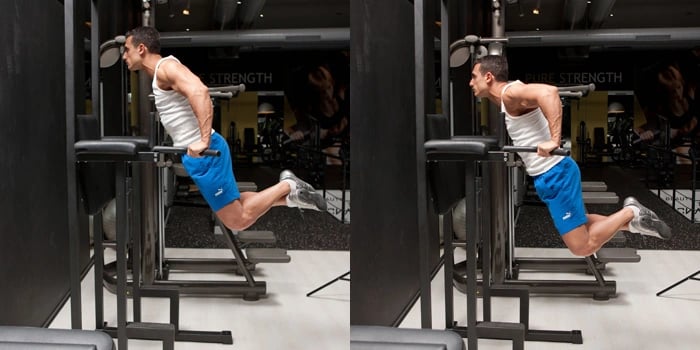
Chest dips are a vertical pushing exercise performed using parallel dip bars. The movement involves lowering your body by bending your elbows and pushing back up using your chest, triceps, and shoulders. What differentiates chest dips from tricep dips is the angle of the torso—leaning forward shifts the emphasis to the pectorals.
Chest dips are a natural bodyweight alternative to decline bench press, offering a deeper range of motion and intense muscle activation.
🔥 Muscles Worked in Chest Dips
Chest dips are a compound exercise, meaning they target multiple muscles at once:
Lower Pectorals (Primary)
Triceps Brachii
Anterior Deltoids (Front Shoulders)
Serratus Anterior
Core Stabilizers
Forearms & Grip Muscles
The leaning-forward position ensures the chest does most of the work, while the triceps and shoulders assist in the pushing movement.
🔥 Benefits of Chest Dips
1. Superior Lower-Chest Activation
Chest dips are unmatched when it comes to developing the lower pecs. The deep stretch at the bottom of the movement stimulates muscle fibers that pressing exercises often miss.
2. Improve Chest Size and Thickness
The dipped angle and bodyweight resistance promote hypertrophy, helping you build a fuller, broader, and more powerful-looking chest.
3. Enhance Upper-Body Strength
Chest dips build strength in the chest, triceps, and shoulders, improving performance in other exercises such as bench press and push-ups.
4. Strengthen Shoulder Stability
If performed correctly, chest dips enhance shoulder mobility and stability by working the scapular muscles.
5. Versatile and Scalable
You can make dips easier (band-assisted dips) or harder (weighted dips), making them suitable for all fitness levels.
6. Improve Functional Fitness
Chest dips mimic natural pushing movements, strengthening muscles used in sports, daily activities, and athletic performance.
🔥 How to Perform Chest Dips Properly
Step-by-Step Technique
Start Position
Grab the parallel bars and push yourself up to support your body weight with straight arms.Lean Forward
Slightly tilt your torso forward and let your legs bend or cross behind you. This forward angle shifts tension to the chest rather than the triceps.Lower Down Slowly
Bend your elbows and lower your body until you feel a deep stretch in your chest. Keep elbows slightly flared—not tucked tightly, not too wide.Maintain Control
Lower yourself until your shoulders drop just below your elbows.Push Up with Your Chest
Press back up to the starting position while focusing on contracting your chest muscles.Repeat
Perform slow, controlled reps to maximize muscle activation.
🔥 Common Mistakes to Avoid
1. Staying Too Upright
This turns chest dips into tricep dips. Lean forward to target the chest properly.
2. Going Too Deep
While a deep stretch is good, excessive range of motion can strain shoulders. Stop when your shoulders dip slightly below elbows.
3. Swinging or Using Momentum
Reduces muscle engagement and increases risk of injury.
4. Flaring Elbows Too Much
A moderate flare is ideal—too wide stresses shoulders.
5. Not Engaging the Core
A loose core causes instability and reduces control.
Correcting these mistakes ensures proper chest activation and safer training.
🔥 Chest Dip Variations for Every Fitness Level
1. Assisted Chest Dips (Beginner)
Using resistance bands or an assisted dip machine makes the movement easier while maintaining proper form.
2. Standard Chest Dips
Performed on parallel bars with a forward lean—perfect for building size and strength.
3. Weighted Chest Dips (Advanced)
Adding plates using a dip belt increases resistance and promotes faster muscle growth.
4. Straight Bar Dips
Great for advanced trainees, this variation increases chest stretch and core activation.
5. Ring Dips
Gymnastic rings add instability, challenging the chest, triceps, and core far more than fixed bars.
6. Negative Dips
Lowering slowly helps build strength for beginners and improves hypertrophy for experienced athletes.
🔥 How to Add Chest Dips to Your Workout Routine
For Muscle Growth (Hypertrophy)
3–4 sets
8–12 reps
Controlled tempo: 2 sec down, 1 sec pause, push up strong
For Strength
4–5 sets
5–8 reps
Add weights using a dip belt
For Fat Loss / Conditioning
3–4 sets
12–20 reps
Add dips into circuits with minimal rest
Example Chest Workout Including Dips:
Incline Bench Press – 4×10
Dumbbell Fly – 3×12
Chest Dips – 4×8–12
Cable Fly (low-to-high) – 3×15
🔥 Tips to Maximize Results
Lean Forward Early – This activates the lower chest more effectively.
Slow the Negative Phase – Lowering slowly increases muscle tension and growth.
Focus on Depth – Don’t rush; feel the stretch on each rep.
Add Weight Gradually – Only progress when bodyweight dips feel controlled.
Strengthen Shoulder Mobility – Warm up with rotator cuff exercises.
Use Full Range of Motion – But avoid going excessively deep.
These tips ensure consistent chest development and long-term progress.
🔥 Final Thoughts
Chest dips are one of the most effective exercises for building a powerful, defined, and well-developed chest. Their ability to target the lower pecs with deep stretch and constant tension makes them essential for anyone aiming for serious upper-body strength and aesthetics. Whether you're training for size, strength, or performance, mastering chest dips can dramatically elevate your chest training.
With proper form, progressive overload, and smart programming, chest dips can help you build a broader, stronger, and more sculpted chest—no machines required.