High-Protein Diet: Does It Really Help You Build Muscle?
When it comes to building muscle, one nutrient always takes the spotlight — protein. Fitness enthusiasts, athletes, and bodybuilders all swear by high-protein diets to enhance strength, speed up recovery, and promote lean muscle growth. But does a high-protein diet really make that much of a difference? And how much protein do you actually need to see results? In this article, we’ll break down the science behind protein, explore how it supports muscle growth, and discuss the best ways to include it in your diet for maximum gains.
FOOD & NUTRITION
10/26/20252 min read
What Is a High-Protein Diet?
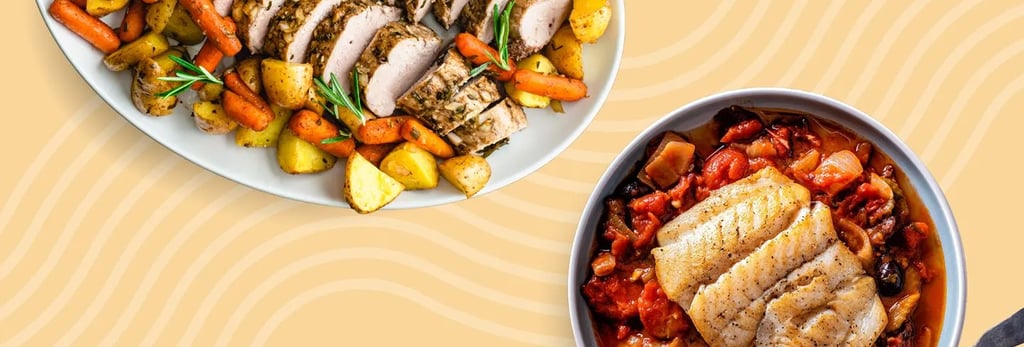
A high-protein diet is one where protein makes up a larger percentage of your total daily calorie intake — usually 25% to 35%, compared to the standard 15%. This approach emphasizes foods rich in protein such as eggs, chicken, fish, tofu, Greek yogurt, and legumes.
For most active individuals, a high-protein diet means consuming about 1.6 to 2.2 grams of protein per kilogram of body weight per day.
For example, if you weigh 70 kg, you’d need between 112–154 grams of protein daily to support muscle growth and recovery.
🧬 Why Protein Matters for Muscle Growth
1. Muscle Repair and Recovery
When you lift weights or perform resistance exercises, tiny tears form in your muscle fibers. Protein helps repair these microtears, making muscles grow back stronger and thicker. Without sufficient protein, your muscles can’t recover efficiently, slowing down your progress.
2. Amino Acids: The Building Blocks of Muscle
Protein is made up of amino acids, often referred to as the building blocks of muscle. Essential amino acids — especially leucine, isoleucine, and valine (the BCAAs) — trigger muscle protein synthesis, the process through which your body builds new muscle tissue.
3. Increased Metabolism
Protein has a higher thermic effect of food (TEF) than carbohydrates or fats, meaning your body burns more calories digesting it. This helps improve metabolism and supports fat loss while preserving lean muscle mass — an important factor when trying to achieve a toned physique.
4. Hormonal Balance and Strength
Adequate protein intake influences hormones like insulin and growth hormone, which play key roles in muscle growth and repair. It also helps prevent muscle breakdown, especially during calorie deficits or intense training periods.




🍗 Best Protein Sources for Muscle Building
To maximize results, aim for high-quality, complete protein sources that provide all nine essential amino acids.
Animal-Based Proteins:
Chicken breast
Eggs and egg whites
Lean beef
Fish (salmon, tuna, tilapia)
Greek yogurt and cottage cheese
Whey protein or casein shakes
Plant-Based Proteins:
Lentils and chickpeas
Quinoa
Tofu and tempeh
Edamame
Chia seeds, hemp seeds, and almonds
Pea or soy protein powder
If you follow a plant-based diet, combine different protein sources (e.g., beans + rice) to ensure a complete amino acid profile.