Hydration and Nutrition: Why Water Matters More Than You Think
When it comes to fitness and nutrition, we often focus on protein, carbohydrates, and vitamins—but tend to overlook the most essential nutrient of all: water. Proper hydration plays a vital role in every bodily function, from digestion to muscle recovery. Without enough water, even the healthiest diet or most intense workout plan can fall short. Understanding the connection between hydration and nutrition can help you perform better, recover faster, and stay healthier in the long run.
FOOD & NUTRITION
10/25/20254 min read


The Importance of Hydration
Water makes up nearly 60% of the human body, serving as the foundation for all physiological processes. It regulates body temperature, transports nutrients, lubricates joints, and helps remove toxins. Simply put, without adequate hydration, your body cannot function efficiently.
When you’re even slightly dehydrated, your body loses balance—energy drops, concentration fades, and performance decreases. For those pursuing fitness goals, dehydration can lead to muscle cramps, fatigue, and slower recovery times.
How Hydration Affects Nutrition and Fitness
🏋️♂️ 1. Energy and Performance
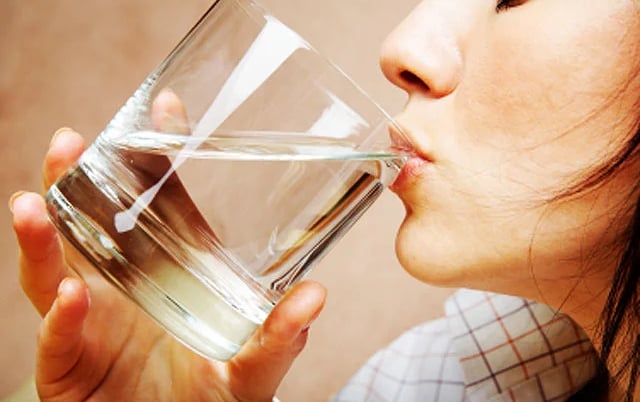
Water is essential for maintaining energy levels during workouts. Dehydration can cause your heart rate to increase and reduce blood flow to the muscles, making exercises feel harder than they should. Proper hydration helps deliver oxygen and nutrients throughout the body, improving endurance and power output.
Tip: Aim to drink water before, during, and after workouts. Even a 2% drop in body water can significantly reduce physical performance.
🍽️ 2. Digestion and Nutrient Absorption
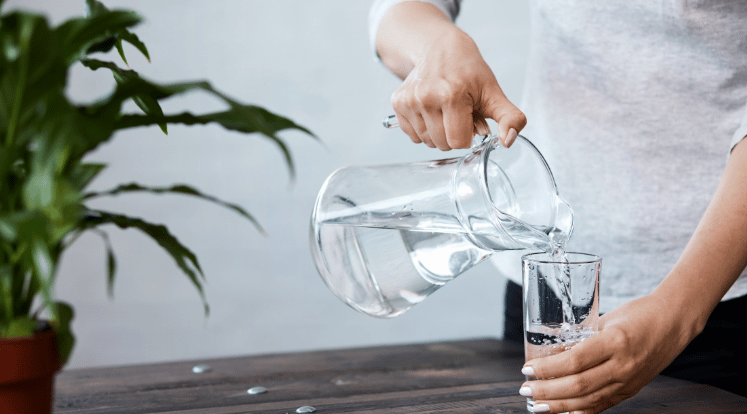
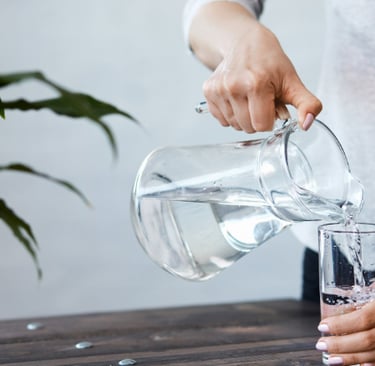
Water is key to breaking down food and helping the body absorb nutrients efficiently. It assists in producing digestive enzymes and moving food through your intestines. Without enough fluids, digestion slows down, leading to constipation and nutrient deficiencies.
Pairing proper hydration with a balanced diet ensures your body fully utilizes the vitamins, minerals, and macronutrients you consume.
💪 3. Muscle Recovery and Growth
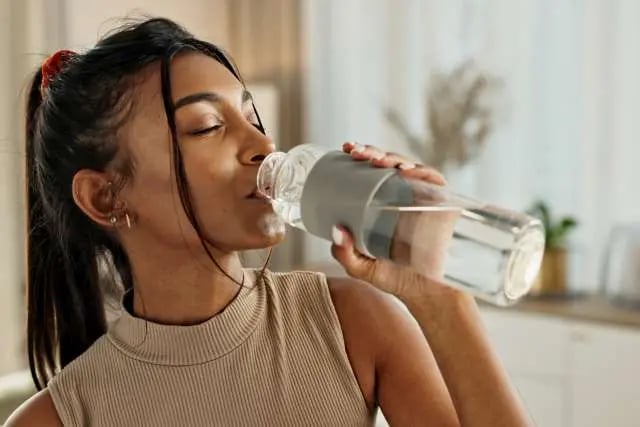
Muscles are about 75% water, and hydration directly influences their recovery. During workouts, you lose water through sweat. Replacing that loss helps maintain muscle function, transport amino acids, and prevent cramps.
After intense exercise, rehydration helps flush out waste products like lactic acid, reducing soreness and improving muscle repair.
Pro Tip: Combine water intake with electrolyte-rich foods such as bananas, coconut water, and spinach to restore sodium and potassium balance.

🌡️ 4. Regulating Body Temperature
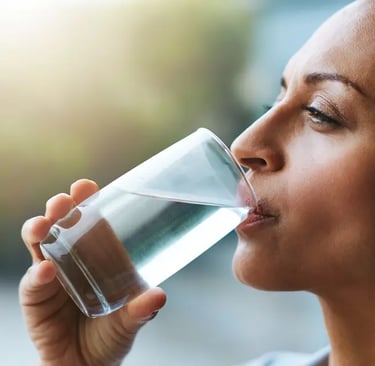
During workouts, your body heats up, and sweating helps cool it down. But without enough fluid intake, your body struggles to regulate temperature, which can lead to overheating or heat exhaustion. Staying hydrated helps maintain a stable internal temperature and prevents dehydration-related fatigue.
🧠 5. Mental Focus and Mood
Hydration doesn’t just affect your body—it impacts your brain. Even mild dehydration can cause headaches, brain fog, and irritability. Studies show that proper hydration improves concentration, alertness, and mood stability.
When you’re mentally focused, your workouts are more effective, and your motivation remains high.
How Much Water Do You Really Need?
While the “8 glasses a day” rule is a good starting point, hydration needs vary depending on activity level, body size, and climate.
Here’s a simple guide:
Sedentary lifestyle: 2–2.5 liters per day
Moderate activity: 2.5–3 liters per day
High-intensity workouts: 3–4 liters per day or more
You can also monitor your hydration by checking your urine color—light yellow means well-hydrated, while dark yellow indicates dehydration.
Best Times to Drink Water Throughout the Day
To stay properly hydrated, timing matters as much as quantity.
Morning: Drink a glass of water right after waking up to jumpstart metabolism.
Before meals: Drinking water 20–30 minutes before eating aids digestion and prevents overeating.
During workouts: Sip small amounts every 15–20 minutes to replace lost fluids.
After workouts: Rehydrate to restore electrolytes and support recovery.
Before bed: A few sips can prevent dehydration overnight—but avoid drinking too much to prevent sleep disruption.
Signs of Dehydration You Shouldn’t Ignore
Many people are chronically dehydrated without realizing it. Watch for these warning signs:
Dry mouth or lips
Headaches
Dizziness or fatigue
Muscle cramps
Dark urine
Poor concentration
If you experience these symptoms, increase your water intake and include hydrating foods like watermelon, cucumber, oranges, and leafy greens.
Hydrating Foods That Boost Nutrition
Not all hydration comes from beverages—some foods are naturally rich in water and nutrients.
Top hydrating foods include:
Cucumber (96% water)
Watermelon (92% water)
Strawberries (91% water)
Lettuce (95% water)
Oranges (87% water)
Yogurt and soups (both hydrating and nutrient-rich)
Incorporating these into your daily meals enhances hydration and adds vitamins, fiber, and antioxidants to your diet.
Balancing Electrolytes for Optimal Hydration
Water alone isn’t always enough—especially after long or intense workouts. Electrolytes such as sodium, potassium, magnesium, and calcium help maintain fluid balance and nerve function.
You can naturally replenish electrolytes by including foods like:
Bananas (potassium)
Nuts and seeds (magnesium)
Dairy products (calcium)
Himalayan salt or sea salt (sodium)
Avoid overreliance on sugary sports drinks, as many contain excess calories and artificial ingredients.
Conclusion
Hydration is far more than just quenching your thirst—it’s a cornerstone of nutrition, fitness, and overall well-being. Water supports energy, digestion, muscle recovery, and even mental clarity. Whether you’re hitting the gym, following a balanced diet, or simply aiming for better health, staying hydrated is non-negotiable.
Start today by making water your constant companion. Carry a reusable bottle, include hydrating foods, and listen to your body’s signals. Remember, optimal performance starts with a single sip—so drink smarter, live stronger, and stay hydrated!