
Push-Ups: The Ultimate Guide to Building Strength, Chest Definition, and Core Stability
Push-ups are one of the most classic and effective bodyweight exercises in fitness history. They require no equipment, target multiple muscle groups, and can be performed anywhere. Whether you’re a beginner, a bodybuilder, or an athlete, push-ups help build upper-body strength, improve core stability, and enhance overall functional fitness. Despite their simplicity, push-ups are highly versatile, with countless variations to challenge your muscles and improve endurance. In this guide, we’ll cover the benefits, muscles worked, proper form, variations, common mistakes, and tips to maximize results.
CHEST WORKOUTS
12/2/20253 min read
🔥 What Are Push-Ups?
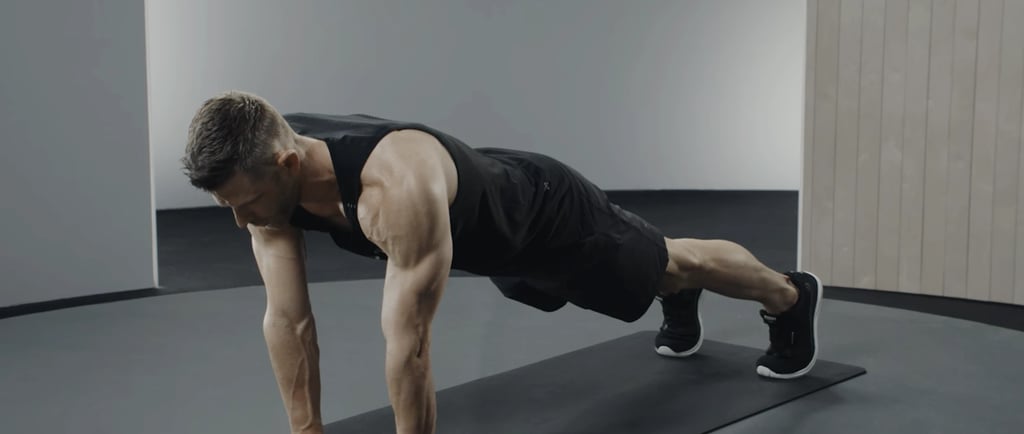
A push-up is a compound bodyweight exercise that primarily targets the chest (pectorals), shoulders (deltoids), and triceps while engaging the core and stabilizing muscles. The basic motion involves lowering your body to the floor and pushing back up using your arms while maintaining a straight body line.
Push-ups are more than just a chest exercise—they develop functional strength, improve posture, and are an excellent measure of upper-body fitness.
🔥 Muscles Worked in Push-Ups
Push-ups are a multi-muscle exercise that strengthens:
Pectoralis major (chest)
Anterior deltoids (front shoulders)
Triceps brachii (back of arms)
Serratus anterior (muscles along ribs)
Core muscles (abs, obliques, lower back)
Glutes and quads (stabilizers for body alignment)
Because push-ups engage multiple muscles simultaneously, they improve coordination and functional strength for everyday activities and sports.
🔥 Benefits of Push-Ups
1. Build Upper-Body Strength
Push-ups strengthen the chest, shoulders, and triceps without any equipment.
2. Improve Core Stability
Maintaining a straight plank position activates abs, obliques, and lower back muscles, improving posture and core strength.
3. Increase Endurance
High-rep push-ups improve muscular endurance, allowing you to perform daily tasks or other exercises more efficiently.
4. Enhance Functional Fitness
Push-ups mimic natural pushing movements, making them practical for real-life strength.
5. Promote Joint Health
Controlled push-ups strengthen the shoulder stabilizers, improving mobility and reducing injury risk.
6. No Equipment Needed
Push-ups can be done anywhere—home, gym, outdoors—making them highly accessible for all fitness levels.
🔥 How to Perform a Standard Push-Up
Step-by-Step Guide
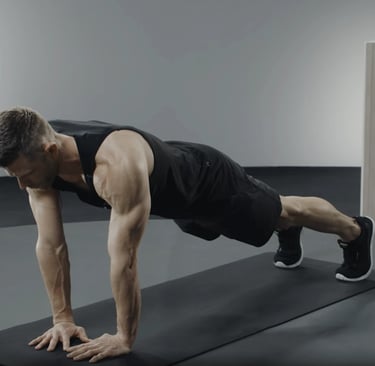
Start in a high plank position with your hands slightly wider than shoulder-width apart.
Keep your body in a straight line from head to heels.
Engage your core and glutes to maintain alignment.
Lower your chest toward the floor by bending your elbows at a 45-degree angle.
Stop just before your chest touches the ground.
Push through your palms to return to the starting position.
Keep breathing: inhale while lowering, exhale while pushing up.
Proper form ensures maximum muscle engagement and reduces risk of injury.
🔥 Common Mistakes in Push-Ups
Sagging Hips – Reduces core engagement and strains the lower back.
Flaring Elbows – Puts unnecessary stress on shoulders.
Incomplete Range of Motion – Not going low enough limits chest activation.
Neck Strain – Avoid looking down or forward excessively.
Rushing Reps – Fast movements reduce muscle tension and control.
Correcting these mistakes improves results and prevents injury.
🔥 Push-Up Variations for All Levels
1. Knee Push-Ups (Beginner)
Reduces resistance, allowing beginners to build strength while maintaining form.
2. Standard Push-Ups
Targets the chest, shoulders, and triceps with bodyweight resistance.
3. Wide-Grip Push-Ups
Increases chest activation and challenges shoulder stability.
4. Diamond Push-Ups
Hands form a diamond shape to target triceps and inner chest.
5. Decline Push-Ups
Feet elevated on a bench or box to emphasize upper chest and shoulders.
6. Incline Push-Ups
Hands elevated on a bench, easier for beginners or as a warm-up.
7. Plyometric Push-Ups
Explosive push-ups (hands leave the ground) to increase power and fast-twitch muscle recruitment.
8. Archer Push-Ups
One-arm dominant push-ups for strength, balance, and chest separation.
9. Weighted Push-Ups
Add a weight plate or backpack for advanced strength progression.
🔥 How to Incorporate Push-Ups Into Your Workout
Push-ups can be used in various ways depending on your goal:
For Strength and Muscle Growth
3–5 sets of 8–15 reps
Combine with chest presses and dips for full chest development
For Endurance
3–5 sets of 20–50 reps
Use higher reps with slower tempo for maximum time under tension
For Fat Loss / Conditioning
Include push-ups in circuits or HIIT routines
Pair with burpees, mountain climbers, or squats for full-body burn
🔥 Tips to Maximize Push-Up Results
Focus on Mind–Muscle Connection – Feel your chest and triceps working each rep.
Control Your Movement – Slow lowering and squeezing improves growth and definition.
Progressively Overload – Increase reps, sets, or resistance over time.
Mix Variations – Target different chest angles and prevent plateaus.
Pair With a Balanced Routine – Combine push-ups with rows, pull-ups, and core exercises.
Rest and Recover – Allow 48 hours before training the same muscle group again.
🔥 Final Thoughts
Push-ups are more than just a basic exercise—they are a full-body movement that strengthens the chest, shoulders, triceps, and core while improving functional strength, endurance, and posture. Their versatility allows for infinite progression, from beginner knee push-ups to advanced weighted or plyometric variations.
By incorporating push-ups into your workout, focusing on proper form, and gradually increasing intensity, you can build a strong, defined, and functional upper body without any equipment. Whether at home, the gym, or outdoors, push-ups remain a cornerstone of effective fitness training.