The Importance of a Balanced Diet for Fitness Goals
Learn why a balanced diet is essential for achieving fitness goals. Discover how proper nutrition fuels workouts and supports muscle recovery.
FOOD & NUTRITION
10/25/20254 min read
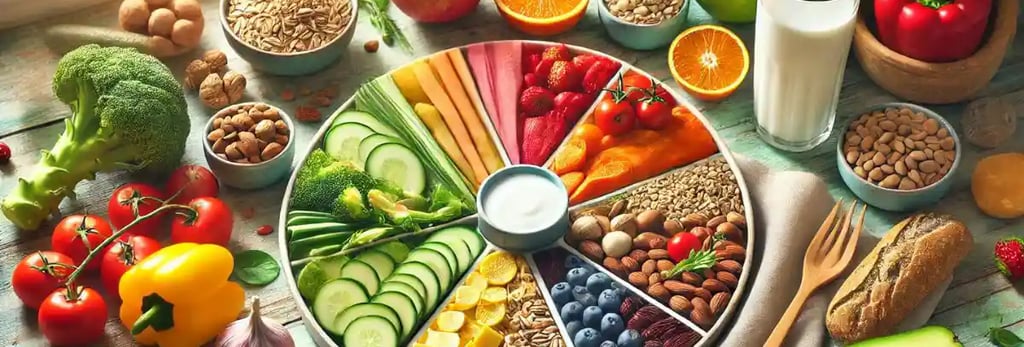
When it comes to achieving your fitness goals whether it’s building muscle, losing fat, or improving endurance exercise is only half the equation. The other half lies in your nutrition. A balanced diet provides your body with the essential nutrients it needs to perform at its best, recover efficiently, and maintain overall health. No matter how intense your workout routine is, without the right fuel, progress can be slow and inconsistent.
What Is a Balanced Diet?
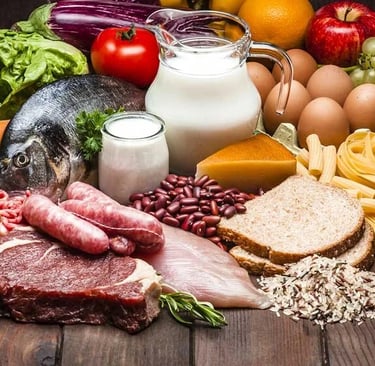
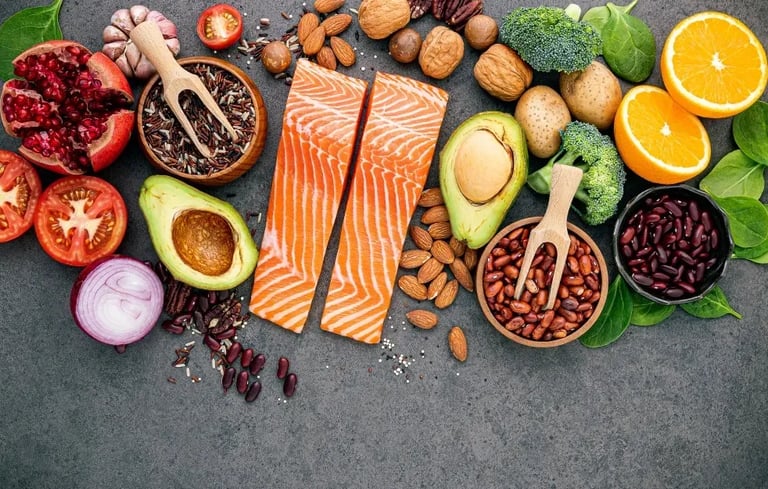
A balanced diet means consuming a variety of foods in the right proportions to provide your body with carbohydrates, proteins, fats, vitamins, and minerals. It’s not about strict rules or deprivation—it’s about nourishing your body so it functions optimally.
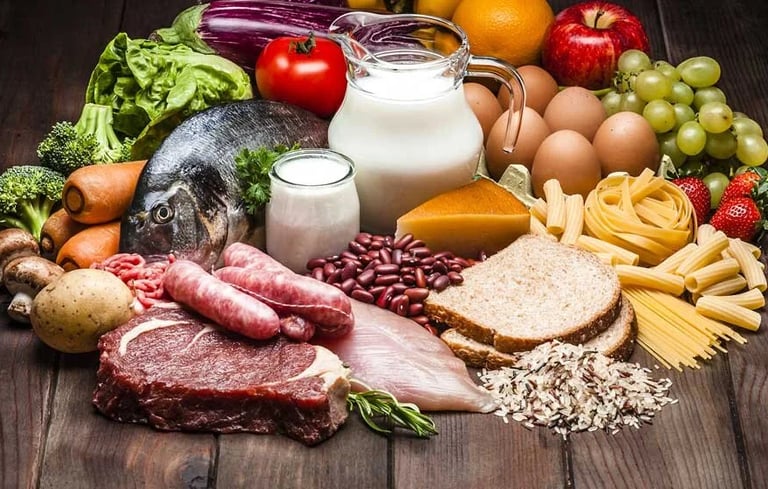
A well-balanced diet typically includes:
Carbohydrates: Your body’s primary energy source, found in whole grains, fruits, and vegetables.
Proteins: Essential for muscle repair and growth, found in lean meats, eggs, dairy, legumes, and tofu.
Healthy fats: Important for hormone production and joint health, found in avocados, nuts, seeds, and olive oil.
Vitamins and minerals: Support immunity, bone health, and metabolism.
Water: Often overlooked, hydration is key for digestion, circulation, and performance.
Why Nutrition Matters for Fitness
Your diet directly affects your fitness progress. Here’s how:
1. Energy for Workouts
Carbohydrates act as your body’s main fuel source. Without enough carbs, you might feel tired, sluggish, or unable to complete intense workouts. Whole grains, fruits, and vegetables provide slow-releasing energy to keep you going longer.
2. Muscle Repair and Growth
After a workout, your muscles need protein to rebuild stronger. Consuming high-quality protein sources like chicken, eggs, fish, or plant-based options such as lentils and tofu helps speed up recovery and supports muscle growth.
3. Fat Loss and Metabolism
A balanced diet prevents extreme hunger and overeating. Including healthy fats and fiber-rich foods keeps you full longer, helping you manage your weight effectively. Moreover, eating regular, nutrient-dense meals boosts metabolism and energy levels throughout the day.
4. Enhanced Performance
Athletes and fitness enthusiasts perform better when they follow a consistent eating pattern. Nutrient-rich foods improve endurance, reduce fatigue, and keep you mentally sharp during training sessions.
5. Recovery and Immunity
Post-workout recovery depends not just on rest but also on what you eat. Antioxidants, vitamins, and minerals from fruits and vegetables fight inflammation and strengthen the immune system—helping you bounce back faster.
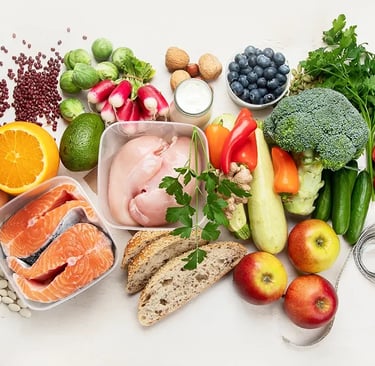
Components of a Fitness-Focused Diet
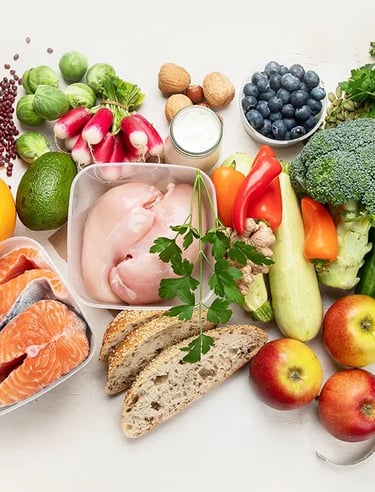
1. Pre-Workout Nutrition
Before exercising, eat a meal or snack rich in carbohydrates and moderate in protein about 1–2 hours before your session.
Examples:
Oatmeal with banana and peanut butter
Greek yogurt with berries
Whole-grain toast with eggs
This provides energy and prevents fatigue during training.
2. Post-Workout Nutrition
After your workout, focus on protein and carbohydrates to replenish energy and repair muscles.
Examples:
Grilled chicken with brown rice and vegetables
Protein shake with banana
Tuna sandwich on whole-grain bread
Timing matters—try to eat within 30–60 minutes after finishing your workout.
3. Hydration
Dehydration can reduce strength, endurance, and focus. Drink plenty of water throughout the day and increase intake during intense workouts. For long sessions, an electrolyte drink may help replace lost minerals.
Common Nutrition Mistakes to Avoid
Skipping meals: This slows metabolism and leads to overeating later.
Cutting out carbs completely: Carbs are vital for energy—choose complex sources instead of refined ones.
Relying on supplements: Whole foods should always come first; supplements are just an addition.
Ignoring portion sizes: Even healthy foods can add up in calories if eaten in excess.
Not tracking water intake: Hydration is as crucial as food for performance and recovery.
Creating Your Personalized Balanced Diet
Every fitness goal requires a unique approach.
For muscle gain: Eat in a small calorie surplus with plenty of protein and healthy carbs.
For fat loss: Maintain a calorie deficit, focus on lean proteins, fiber-rich foods, and portion control.
For endurance training: Increase complex carbohydrates to fuel longer workouts.
Consulting a nutritionist or using a calorie-tracking app can help you tailor your intake according to your goals, body type, and activity level.
The Link Between Mindset, Diet, and Fitness
A balanced diet doesn’t just improve your body—it enhances your mindset. Eating nutritious foods stabilizes mood, reduces stress, and improves sleep quality, all of which contribute to better workout performance. Remember, fitness is a lifestyle, not a short-term challenge. Consistency in both training and eating habits leads to lasting results.
Conclusion
A balanced diet is the foundation of every successful fitness journey. It fuels your workouts, aids recovery, supports muscle growth, and promotes long-term health. Exercise might shape your body, but nutrition defines your results. By combining proper diet with regular physical activity, you’ll not only reach your fitness goals but sustain them for life.
Start today—plan your meals, stay hydrated, and nourish your body with the care it deserves. Your health and performance will thank you!