The Ultimate Guide to Dumbbell Fly: Technique, Benefits, Variations & Chest-Building Secrets
The dumbbell fly is one of the best isolation exercises for building chest width, definition, and muscle separation. Unlike pressing movements that involve the triceps and shoulders, dumbbell flyes focus directly on stretching and contracting the pectoral muscles through a wide arc motion. This deep stretch activates more muscle fibers, helping create a fuller, more sculpted chest.
CHEST WORKOUTS
12/2/20254 min read
🔥 What Is the Dumbbell Fly?
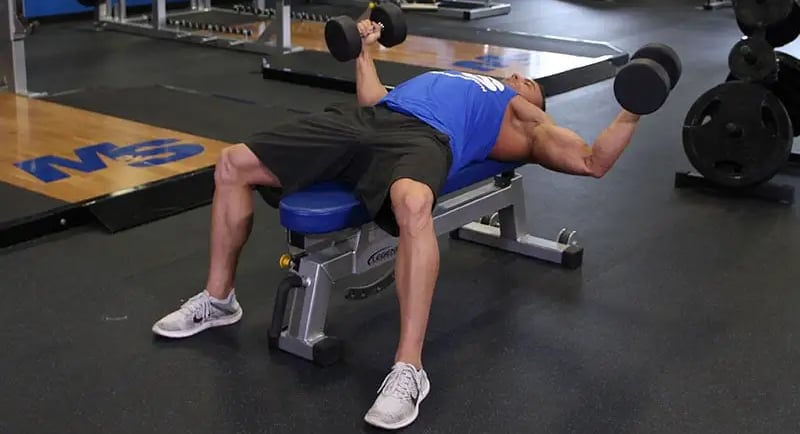
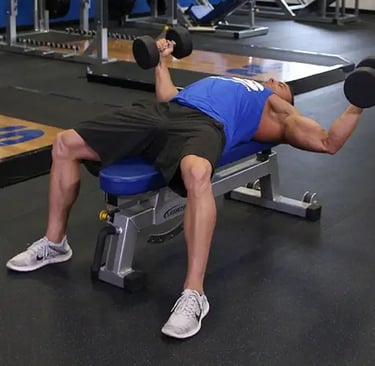
The dumbbell fly, also known as "dumbbell chest fly," is an isolation exercise that targets the pectoral muscles. Unlike pressing movements that involve multiple muscle groups, flyes use a wide arc motion to stretch and contract the chest with minimal tricep and shoulder assistance.
This exercise is typically performed on a flat bench, but incline and decline variations are also popular for targeting different areas of the chest. The fly provides a deep stretch across the pectoral fibers, making it a powerful movement for building chest width, muscle separation, and an aesthetic, sculpted look.
🔥 Why the Dumbbell Fly Is Important for Chest Development
Many lifters rely solely on pressing exercises like the bench press or push-ups. While these are fantastic for strength and size, they can leave certain areas of the chest underdeveloped—especially the inner chest and outer pectoral lines.
The dumbbell fly solves this problem by targeting the chest through a stretching and squeezing motion that pressing exercises cannot replicate.
Key Benefits of Dumbbell Flyes
1. Enhances Chest Width and Definition
The wide arc motion stretches the outer chest fibers, helping create a broader, fuller look. This movement helps define the “chest lines” that bodybuilders and fitness models are known for.
2. Improves Muscle Isolation
Because the triceps and shoulders play a smaller role, the pectorals do more work. This boosts muscle activation and helps fix imbalances.
3. Strengthens Mind–Muscle Connection
Feeling the chest contract during flyes improves muscle engagement during other chest exercises, enhancing overall chest training efficiency.
4. Increases Flexibility and Range of Motion
The deep stretch improves chest mobility and can reduce injury risk during heavy presses.
5. Complements Bench Press Training
Flyes help strengthen the chest’s full range of motion, which supports better bench press performance.
🔥 How to Perform the Dumbbell Fly (Step-by-Step Guide)
Perfect form is essential for maximizing results and protecting your shoulders. Here’s how to perform it correctly:
Lie flat on a bench with a dumbbell in each hand.
Keep your feet planted firmly on the floor for stability.
Hold the dumbbells above your chest with a slight bend in your elbows.
Slowly lower the weights in a wide arc until your chest feels fully stretched.
Avoid dropping your elbows too low to protect the shoulder joint.
Bring the dumbbells back together using your chest, not your arms.
Squeeze your chest at the top for peak contraction.
Repeat with slow, controlled movement—avoid rushing.
🔥 Muscles Worked in the Dumbbell Fly
The dumbbell fly primarily targets the pectoralis major, the main chest muscle. It also activates:
Pec minor
Anterior deltoids
Serratus anterior
Stabilizer muscles in the shoulders
Because it isolates the chest, the dumbbell fly is ideal for shaping and refining the muscle structure.
🔥 Dumbbell Fly Variations for Complete Chest Growth
There are multiple fly variations to help target different parts of the chest. Including all of them in your routine ensures full development.
1. Incline Dumbbell Fly
Targets the upper chest and front deltoids.
Perfect for building height, shape, and a fuller-looking upper chest.
How to perform:
Set the bench at 30–45 degrees. Keep elbows slightly bent and perform the same flying motion upward.
2. Decline Dumbbell Fly
Targets the lower chest, helping build chest depth and thickness.
This variation also reduces shoulder strain.
3. Standing or Cable Fly
Provides constant tension throughout the movement and allows angle variation.
Great for defining inner chest and building a sculpted midline.
4. Floor Dumbbell Fly
A shoulder-safe alternative with limited stretch.
Good for beginners or injury recovery.
🔥 Common Mistakes to Avoid During Dumbbell Fly
Even one mistake can reduce results or lead to shoulder injuries. Avoid the following:
1. Opening Arms Too Wide
Extreme stretching can stress the shoulder joint. Keep elbows bent and controlled.
2. Using Heavy Weights
Flyes are isolation movements—using heavy dumbbells reduces chest activation and increases injury risk.
3. Bending Elbows Too Much
Too much elbow bend turns the exercise into a press.
4. Rushing Through Reps
Flies work best with slow, controlled movement to maximize tension.
5. Letting Shoulders Rise Off the Bench
Keep shoulders pinned for better chest engagement and stability.
🔥 How to Add Dumbbell Flyes to Your Chest Workout
For best results, combine flyes with compound exercises like:
Bench press
Incline bench press
Chest dips
Push-ups
Here’s a sample chest workout:
Sample Chest Routine
Bench Press – 4 sets
Incline Bench Press – 4 sets
Dumbbell Fly – 3 sets
Cable Fly – 3 sets
Push-Ups – 2 sets to failure
This combination hits the chest from all angles and ensures full muscle stimulation.
🔥 Tips to Maximize Muscle Growth with Flyes
1. Focus on Stretch and Squeeze
The stretch at the bottom and squeeze at the top are what make flyes unique. Feel every rep.
2. Use Light to Moderate Weights
Control > weight. Muscle activation matters more than lifting heavy.
3. Try Different Angles
Flat, incline, and decline fly variations target different fibers.
4. Slow Tempo
A 3-second lowering phase boosts muscle tension dramatically.
5. Warm Up Shoulders First
A few minutes of warm-up prevents strain during wide-arm movements.
🔥 Final Thoughts: Why You Should Never Skip Dumbbell Fly
The dumbbell fly remains one of the most powerful exercises for shaping and sculpting the chest. While bench presses build strength and mass, flyes carve out detail, width, and definition, making your chest look fuller and more muscular from every angle. When performed correctly, flyes activate chest fibers that pressing movements simply cannot reach.
Whether your goal is muscle size, symmetry, aesthetics, or enhanced performance, incorporating dumbbell flyes into your chest routine will elevate your results. Use a slow, controlled motion, master proper technique, and include variations to target every part of your chest.