
The Ultimate Guide to the Bench Press: Mastering Flat, Incline, and Decline Variations for Maximum Chest Growth
The bench press is one of the most famous and powerful exercises ever created for building a strong, muscular chest. It’s a staple in bodybuilding, strength training, and athletic programs across the world. Whether your goal is muscle growth, upper-body strength, improved aesthetics, or a more balanced physique, the bench press delivers exceptional results. With multiple variations such as the incline bench press and decline bench press, you can target every angle of the chest and achieve complete pectoral development. In this comprehensive guide, you’ll learn what makes these exercises so effective, how to perform them correctly, the muscles involved, common mistakes to avoid, and tips for maximizing strength and size. Let’s dive into the world of pressing power!
CHEST WORKOUTS
12/2/20253 min read
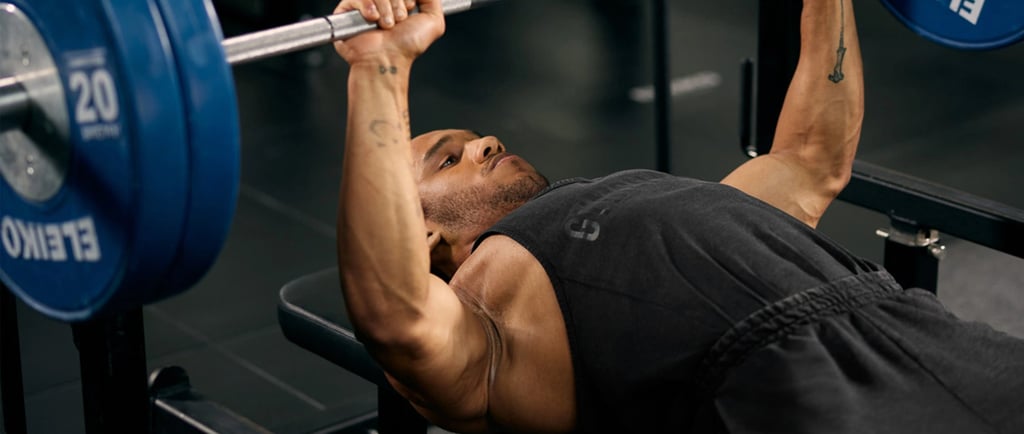
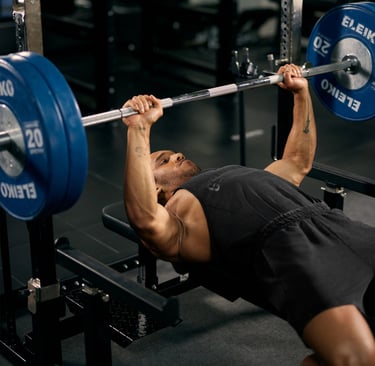
🔥 What Is the Bench Press?
The flat bench press is a compound exercise that primarily targets the pectoral muscles while also engaging the triceps, shoulders, and stabilizer muscles. By lowering a barbell to your chest and pressing it upward, you train your entire upper body in a powerful pushing movement.
The bench press is more than a strength exercise—it’s a measure of upper-body power, used in powerlifting competitions and athletic performance tests. When performed consistently with proper technique, it builds not only muscle mass but also confidence and overall strength.
🏋️ Benefits of the Bench Press
The bench press offers numerous advantages:
1. Massive Chest Development
Pressing engages the entire pectoral region, helping you build thickness, width, and muscle density.
2. Stronger Shoulders and Triceps
The anterior deltoids and triceps assist in the movement, making this exercise perfect for overall upper-body strength.
3. Improved Functional Strength
Pushing movements are essential in everyday activities and sports, making the bench press one of the most practical strength builders.
4. Increased Bone Density & Joint Stability
The heavy load stimulates bone growth and strengthens the connective tissues around the shoulders and elbows.
5. Ideal for Muscle Hypertrophy
Controlled reps under heavy tension increase muscle fiber recruitment, promoting faster and more effective muscle growth.
🏋️ How to Perform the Bench Press (Proper Form)
Perfect form prevents injuries and maximizes gains. Follow these steps:
Lie flat on the bench with your feet firmly planted on the floor.
Grip the bar slightly wider than shoulder-width.
Retract your shoulder blades to stabilize your upper back.
Lower the bar slowly to the mid-chest level.
Keep elbows at a 45–60 degree angle from your body.
Press the bar upward explosively while keeping your core tight.
Fully extend the elbows at the top without locking them forcefully.
Proper breathing is also important—inhale while lowering the bar, exhale as you press upward.
🔥 Muscles Worked in the Bench Press
The bench press primarily targets:
Pectoralis Major (main chest muscle)
Anterior Deltoids (front shoulders)
Triceps Brachii
Serratus Anterior
Core muscles for stabilization
Forearms and grip muscles
Because of this multi-muscle engagement, the bench press is considered one of the best upper-body exercises.
🔥 Incline Bench Press: Building the Upper Chest
While the flat bench press targets the middle chest, the incline bench press shifts the tension toward the upper pectoral muscles and shoulders. This is crucial for achieving a fuller, more aesthetic chest that looks well-rounded and athletic.
🏋️ Why the Incline Bench Press Matters
Most beginners have underdeveloped upper chests because flat pressing alone does not fully activate this region. The incline angle, usually 25–45 degrees, directly hits the upper pec fibers, enhancing shape and thickness.
Benefits of the Incline Bench Press
Improves upper-chest mass and definition
Adds height and fullness to the chest
Strengthens shoulders
Enhances pushing strength in angled movements
Builds a balanced and symmetrical chest
🏋️ How to Perform the Incline Bench Press
Set the bench at a 30–45 degree incline.
Grab the bar with a grip slightly wider than shoulder-width.
Lower the bar toward your upper chest (collarbone area).
Press upward while keeping your elbows slightly tucked.
Maintain tight shoulders and a stable spine.
🔥 Common Mistakes in Incline Bench Press
Using too steep of an incline (60–70° engages shoulders more than chest)
Flaring elbows too wide
Pressing the bar too high toward the neck
Arching lower back excessively
Correcting these mistakes ensures maximum chest activation and safety.
🔥 Decline Bench Press: Targeting the Lower Chest
The decline bench press is specifically designed to target the lower portion of the chest, an often overlooked area. By positioning the body at a slight downward angle, the exercise shifts tension to the lower pectoral fibers.
🏋️ Benefits of the Decline Bench Press
Increases lower-chest thickness
Reduces shoulder strain due to improved pressing angle
Allows heavier lifting because of better leverage
Helps build a complete, proportionate chest
Improves strength for dips and pushing movements
Many lifters find the decline press more comfortable on the shoulders compared to the flat bench press, making it a great alternative for those with shoulder discomfort.
🏋️ How to Perform the Decline Bench Press
Lie securely on a decline bench with feet locked in place.
Grip the bar slightly wider than shoulder-width.
Lower the bar to the lower chest or nipple line.
Push upward while maintaining tight core and controlled movement.
Keep the bar path straight and smooth.
🔥 Tips to Increase Bench Press Strength
To keep progressing, apply these proven techniques:
Use progressive overload (increase weights gradually)
Train your triceps and shoulders consistently
Strengthen the upper back for better stability
Maintain proper form every rep
Use warm-up sets before heavy lifting
Allow recovery time (chest needs 48–72 hours)
Chest growth happens from smart training + good nutrition + rest.
🔥 Final Thoughts
The bench press, along with its incline and decline variations, is one of the most effective ways to build a strong, powerful, and well-shaped chest. Each movement targets different areas of the pectorals, helping you create balanced, symmetrical muscle growth. Whether you're aiming for aesthetics, athletic performance, or increased strength, mastering these exercises will elevate your entire upper-body fitness.
Use all three variations strategically in your routine, train with proper form, and focus on steady progression. With consistency, your chest strength and muscle size will improve significantly.